In luxury real estate, “new” has undeniable appeal.
The latest kitchens, pristine finishes, integrated technology and the convenience of moving into a home where everything has already been considered can be incredibly attractive. And when new construction is done exceptionally well, the result can be extraordinary.
But some of Toronto’s most desirable homes have something that simply can’t be ordered from a catalogue or recreated through a renovation: time.
Time creates mature tree canopies and established gardens. It gives neighbourhoods architectural character and a sense of permanence. And in many older homes and buildings, it has left behind proportions, craftsmanship and details that would be extraordinarily expensive—or sometimes nearly impossible—to reproduce today.
For luxury buyers, that can make looking beyond the newest offering worthwhile.
Architecture That Was Built Differently
Walk into a beautifully preserved older Toronto home and there is often an immediate sense of substance.
Plaster mouldings, solid wood doors, intricate millwork, original fireplaces, stonework and gracious staircases were frequently created by craftspeople using materials and techniques that would command a significant premium today.
But perhaps even more important than the decorative details are the proportions.
Generous entrances, proper dining rooms, wide hallways, high ceilings and principal rooms designed to accommodate substantial furniture can give an older home a sense of scale that isn't always easy to replicate.
A thoughtful renovation can introduce everything we expect from modern living while preserving the architectural qualities that made the home special in the first place.
When that balance is achieved, the result can be difficult to match.
You Can't Fast-Forward a Garden
Luxury doesn't end at the front door.
One of the great advantages of Toronto's established neighbourhoods is something that takes decades to create: mature landscaping.
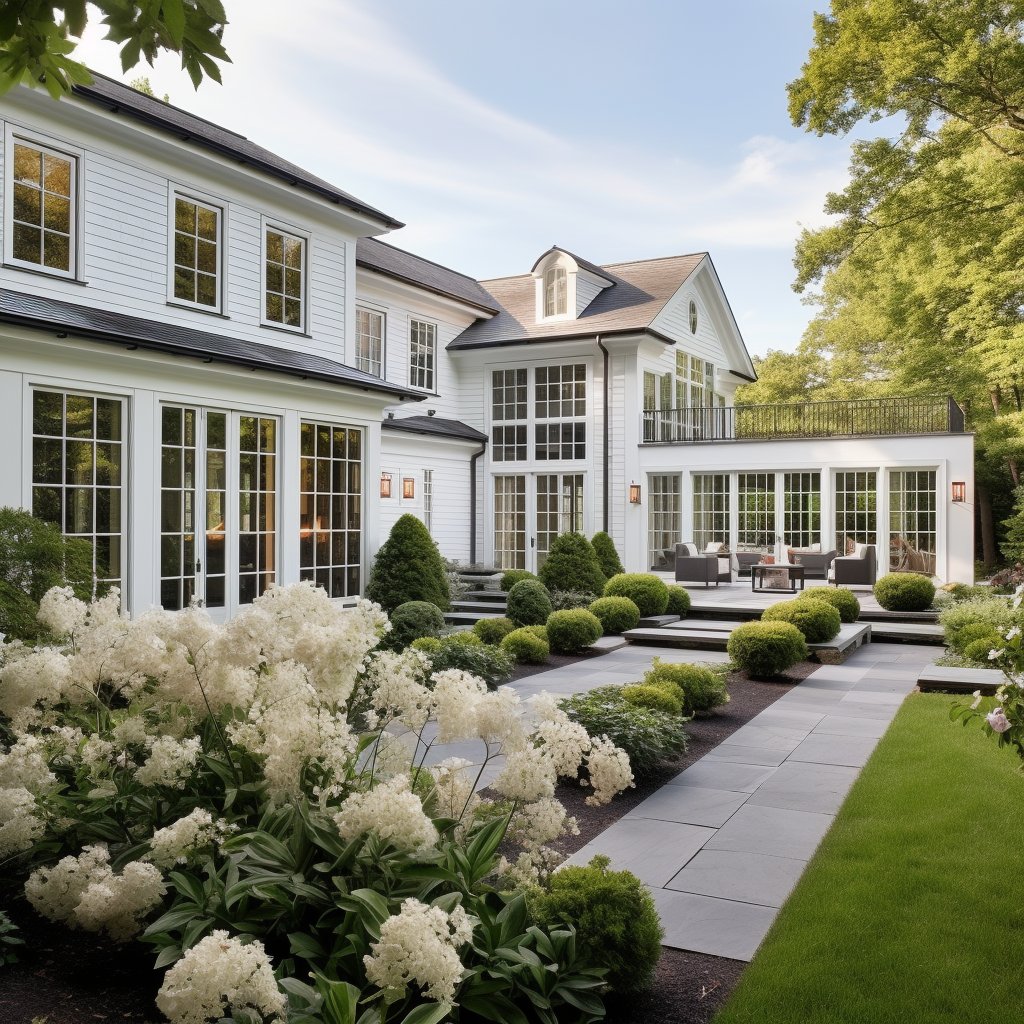
A canopy of old trees, established hedges, climbing vines and gardens that have evolved over many years can completely change the experience of a property. They provide shade, privacy and a sense of separation from the city that newly planted landscaping simply needs time to achieve.
In neighbourhoods such as Rosedale, Forest Hill, The Annex, Moore Park and Lawrence Park, the relationship between the houses, streets and landscape is a significant part of their appeal.
A newly constructed home may be immaculate on day one. An established property can offer a setting that has been developing for generations.
Some Things Simply Aren't Built Anymore
Scarcity plays an important role in luxury real estate.
As land and construction costs have increased, efficiency has understandably become increasingly important to developers and builders. That can make certain characteristics of older properties particularly compelling.
Wide lots. Deep gardens. Generous setbacks. Large formal rooms. Unusually spacious floor plans. Substantial terraces. Fewer residences within a building.
These aren't necessarily features that disappeared because buyers stopped wanting them. In many cases, they simply became increasingly expensive to create.
The same principle applies to condominiums.
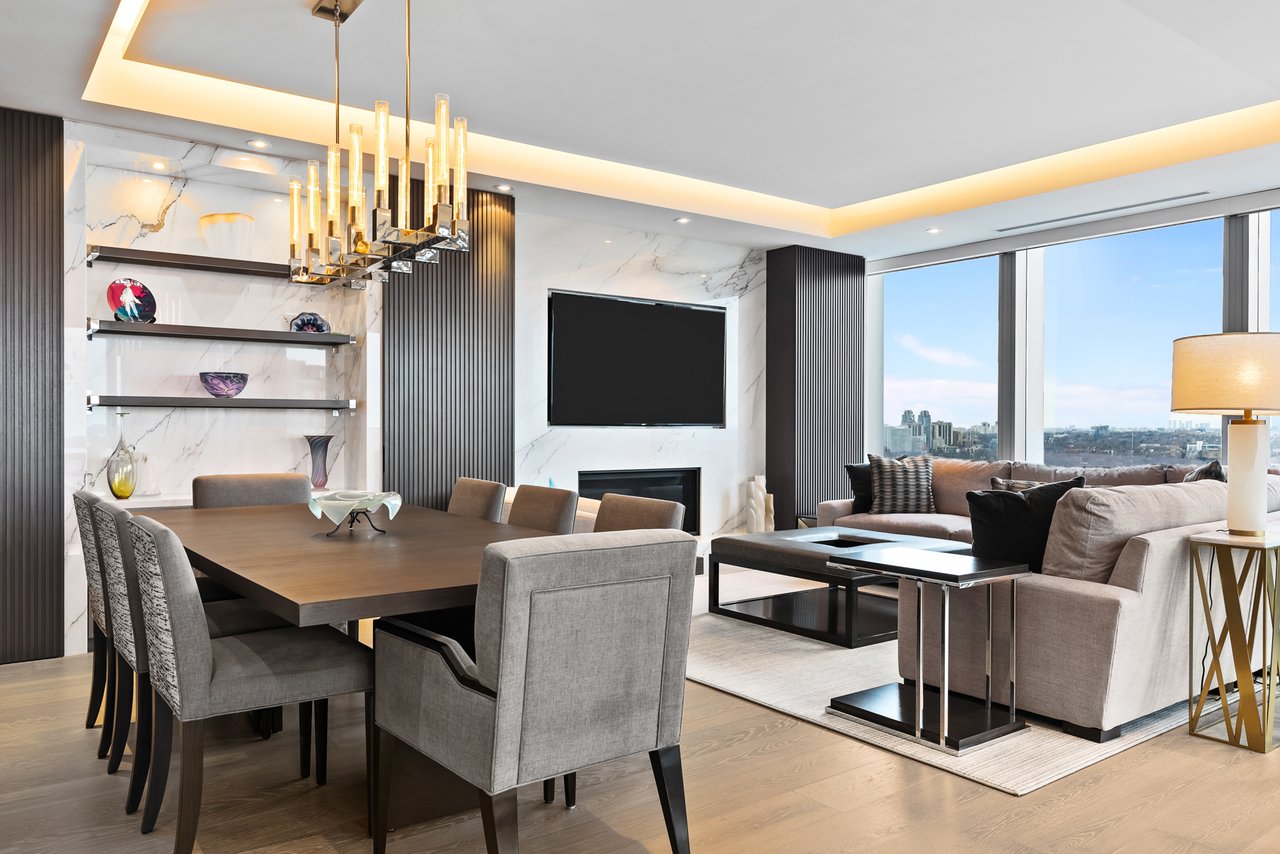
Some established luxury buildings offer remarkably large suites with gracious foyers, separate dining rooms, expansive kitchens and proportions that would be challenging to reproduce in a new development at a comparable price.
Age, in that context, isn't necessarily a disadvantage. Sometimes it is precisely what allowed the space to exist.
The Sweet Spot: Old Character, Modern Living
Of course, character alone isn't enough.
Many buyers appreciate the architecture and scale of an older property but don't want to sacrifice the comforts of contemporary living.
This is where the best renovations distinguish themselves.
Updated mechanical systems, modern kitchens, sophisticated lighting, integrated technology and beautifully designed bathrooms can coexist with original mouldings, fireplaces, staircases and architectural details.
The goal isn't necessarily to make an older home look new.
Often, it is to make it function beautifully today while retaining the elements that could never be recreated quite the same way.
There is an enormous difference between renovating a property and erasing it.
And Sometimes New Really Is Exceptional
None of this diminishes the appeal of exceptional new construction.
A thoughtfully designed new home offers advantages that an older property may struggle to match: advanced building systems, energy efficiency, modern technology, contemporary layouts and the opportunity for every element to work together from the outset.
Toronto is also seeing a generation of new luxury residences where architecture, materials and craftsmanship have been given considerable attention.
The distinction isn't really between old and new.
It's between ordinary and exceptional.
A beautifully designed new home can be extraordinary. So can a century-old residence that has evolved thoughtfully over time.
Look Past the Renovation Date
Real estate listings naturally emphasize what is new.
New kitchen. New bathrooms. New windows. Newly renovated.
Those are valuable improvements, but when evaluating a luxury property, it is worth looking beyond the renovation date.
Consider the things that would be difficult to change.
The width of the property. The ceiling heights. The natural light. The architecture. The position on the street. The view. The garden. The proportions of the rooms. The privacy. The surrounding neighbourhood.
Finishes can be changed.
The fundamental qualities of a property often cannot.
And sometimes, what makes a home truly exceptional isn't what was added last year.
It's what has been there all along.